
Watching a parent become less steady on their feet can be worrying. Small changes—like holding onto furniture or hesitating on stairs—often raise quiet questions about safety and independence. So, how can you prevent an older loved one from falling?
Falls are common among older adults, but many are preventable. With the right home adjustments, daily habits, and support, families can reduce risk while helping loved ones stay confident and secure. It’s all about preventive measures that make their home and overall life much safer.
Key Takeaways
- Falls among older adults are common, but many can be prevented with proactive planning and safety adjustments.
- Common fall risks include balance changes, vision issues, muscle weakness, medication side effects, and cognitive changes.
- Simple home updates like removing tripping hazards, improving lighting, and adding non-slip surfaces can significantly reduce risk.
- Grab bars, handrails, and other physical supports help make everyday movement safer and more comfortable.
- Assisted living provides purpose-designed spaces and daily support to help reduce fall risks while maintaining independence.
Common Fall Risks That Put Your Loved One in Danger
Age brings changes that can affect your loved one’s stability and safety. Balance and walking challenges develop naturally over time, and this makes previously easy movements more difficult.
Some of the most common fall risks families should watch for include:
- Changes in balance or walking patterns
- Vision changes that affect depth perception or contrast
- Muscle weakness or slower reaction time
- Medication side effects such as dizziness or fatigue
- Cognitive changes that affect judgment or awareness
Over time, these can quickly interfere with independence. Fortunately, with some proactive changes, you can keep your loved one safe.
Simple Ways to Make Your Loved One’s Home Safer
Home safety improvements are often the first and most effective step in fall prevention. Small changes can reduce hazards without disrupting daily routines.
Clear Away Tripping Hazards
Walk through your loved one’s home and look for anything that could catch their feet. Remove loose rugs and move electrical cords away from walkways where they walk regularly. Meanwhile, you should keep hallways and living areas free of clutter like loose rugs, magazines, shoes, or shopping bags.
Add Non-Slip Surfaces in High-Risk Areas
Bathrooms and kitchens are common trouble spots. Fortunately, non-slip mats, shower strips, and appropriate floor treatments can help reduce slipping on smooth or wet surfaces. This makes risky areas safer, which can quickly improve their hygiene and quality of life.
Improve Lighting Throughout the Home
Good lighting makes it easier to see changes in flooring and obstacles. Brighten hallways, stairways, and entrances, and add nightlights in bedrooms and bathrooms to support safer movement after dark. This reduces the risk of bumping into something due to poor visibility.
Add Physical Support Where It’s Needed
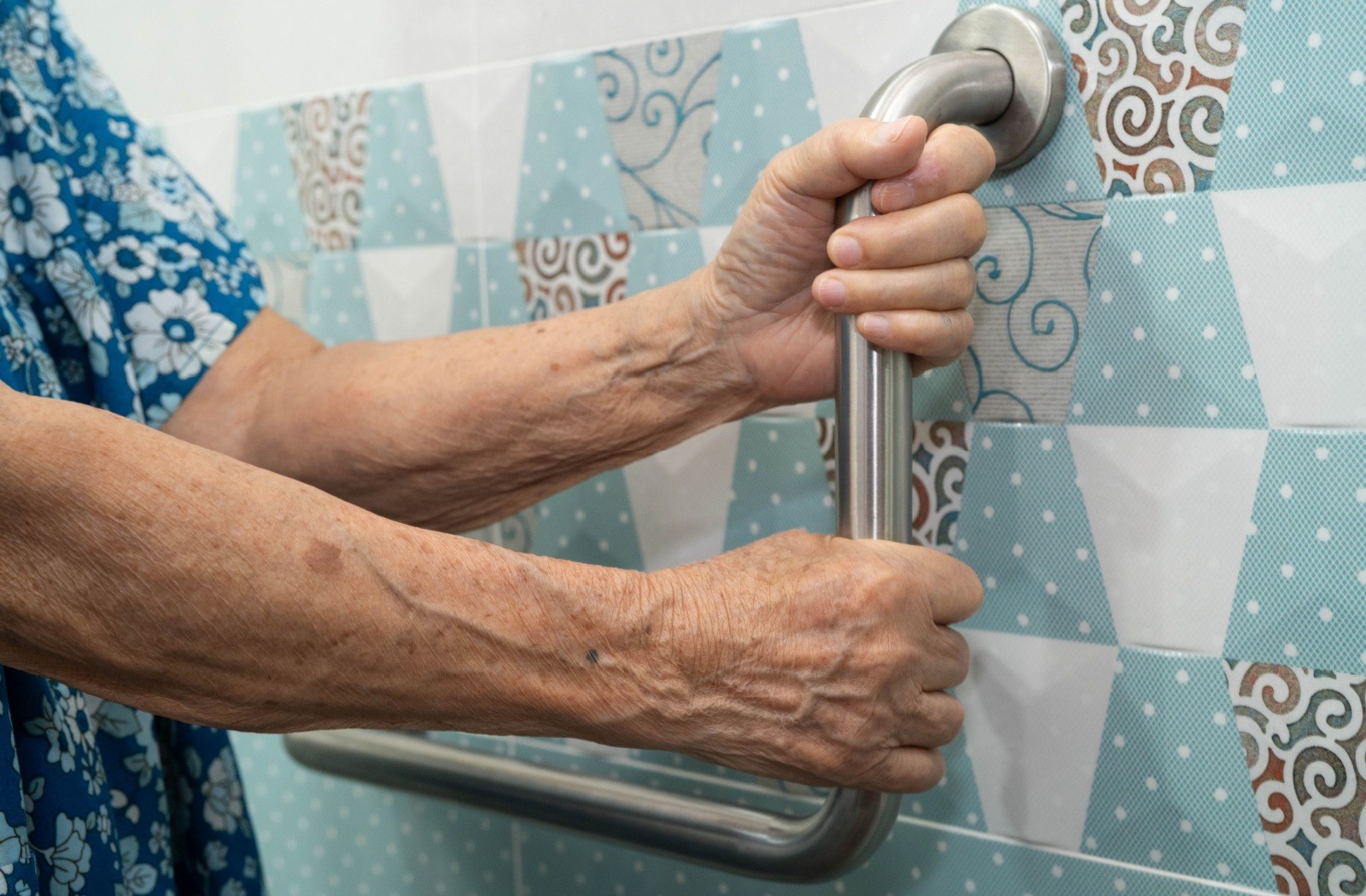
Grab bars in bathrooms and sturdy handrails on both sides of stairs provide extra stability. These supports make everyday movements safer and more comfortable. Your loved one can rely on these safety features rather than entirely worrying about keeping themselves upright.
How to Tell if It’s Time for Assisted Living
Sometimes, home safety changes aren’t enough on their own. Ongoing fall risk can be a sign that daily support would be helpful. But what exactly should you look for?
If you notice these, it’s likely time for assisted living:
- Repeated falls or frequent near-falls
- Difficulty with daily activities like bathing or dressing
- Fear of moving around the home
- Missed medications or unsafe routines
- Increasing caregiver stress or constant worry
These all indicate that your loved one’s home is no longer as safe as it should be. Fortunately, you still have options—like assisted living.
How Assisted Living Can Help Keep Your Loved One Safe
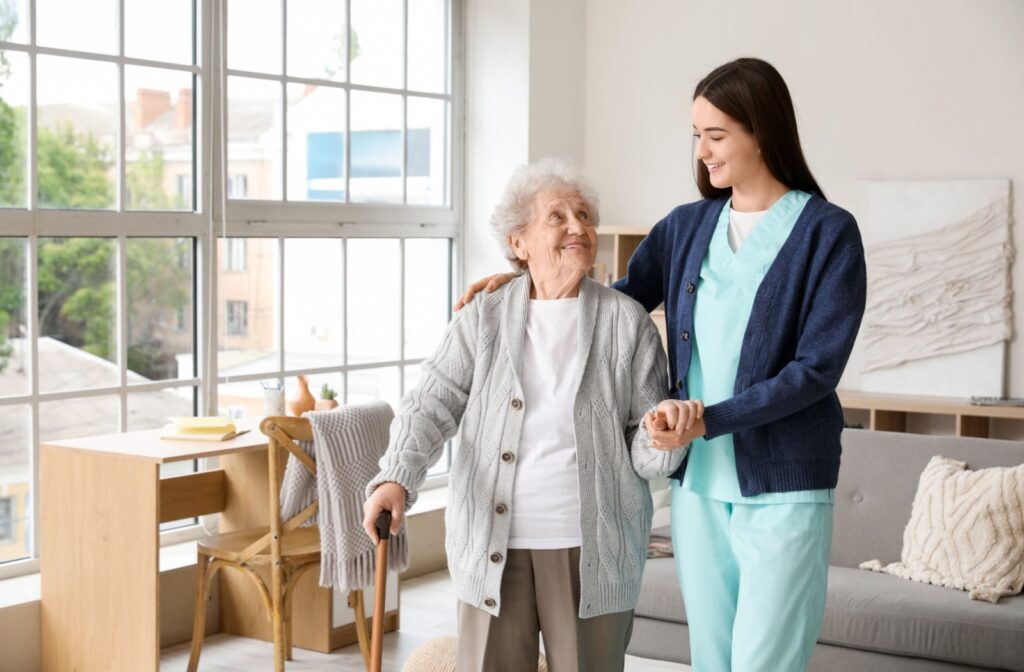
Assisted living communities are designed to reduce fall risks while still supporting independence. From accessible layouts to consistent routines, these environments remove many of the hazards found in private homes. Plus, having an on-site care team can make a big difference in keeping your loved one safe and upright every day.
In assisted living, safety support is built into everyday life, including:
- Purpose-designed apartments with fewer tripping hazards
- Well-lit hallways, bathrooms, and shared spaces
- Grab bars, handrails, and accessible bathrooms
- Help with daily tasks that commonly lead to falls
- Trained team members available to assist and monitor changes
Together, these features create a more stable living environment. That can give your entire family valuable peace of mind, because your loved one will be well taken care of.
Is It Time for Assisted Living?
Preventing falls often means looking at the full picture. You’ll want to assess health changes, home safety, recent problems, daily support, and more. Over time, these factors can add up, so why go through this alone?
Here at Eagle Point Senior Living, we’re ready to offer your loved one a life full of safety, care, love, and support. That’s what they deserve, and our incredible team knows how to help them every day. Book a tour with us today, and together, we can give your parent a home built around preserving the lifestyle they love.